
Don't wait for the failure. Look for the problem.
Look Thermography Corp is the inspection practice behind Look Management Group, still run personally on a limited, by-availability basis. Electrical, mechanical, building envelope, and optical gas imaging systems, inspected and reported to the same standard used in expert witness work.
- Level III · Master Thermographer
- Infraspection Institute Certified
- BSEE · Electronic Engineering
- Accredited four-year program
- FAA Part 107 · sUAS Pilot
- Aerial infrared inspection
- 20+ Years Field Practice
- Utility, commercial, industrial, OGI
- SDVOSB
- Service-Disabled Veteran-Owned
Field inspections, on a smaller footprint.
Look Thermography Corp is the inspection practice behind Look Management Group, built and operated personally by Jeff Ryerson, a Level III Certified Master Thermographer with more than twenty years in the field. Full-time inspection work has given way to selective consulting and expert witness engagements, so inspection capacity is now limited and scheduled around availability.
What hasn't changed is the standard. Every inspection is performed personally, documented against NFPA 70B and ASTM E1934 practice, and held to the same rigor as a litigation-grade report. No subcontracted analysts. No templated findings.
This is a good fit for facility owners, property managers, and operations teams who want one senior thermographer on site, not a rotating junior crew. It's a weaker fit for large recurring survey programs or same-week emergency turnarounds; those are the requests most likely to get an honest referral elsewhere.
If timing lines up, inspections are scoped the same way consulting engagements are: a short intake call, a clear scope, and a report built to hold up if it's ever questioned.
Six systems. One thermographer.
Every inspection is handled personally by a Level III Master Thermographer, reported against the same standards Look Management Group applies to expert witness and consulting work.
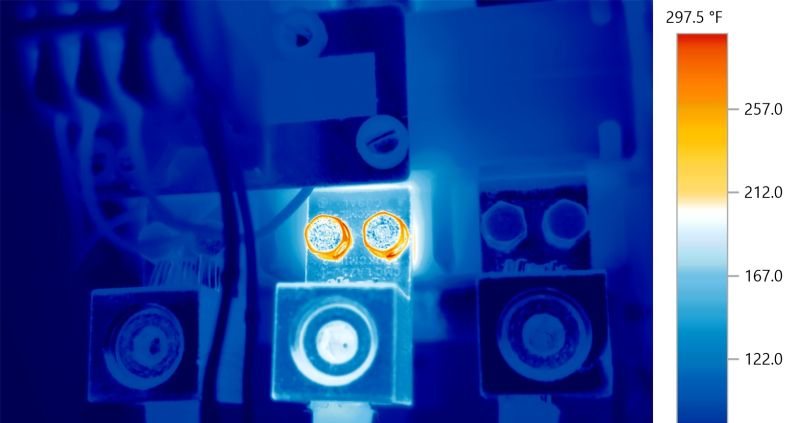
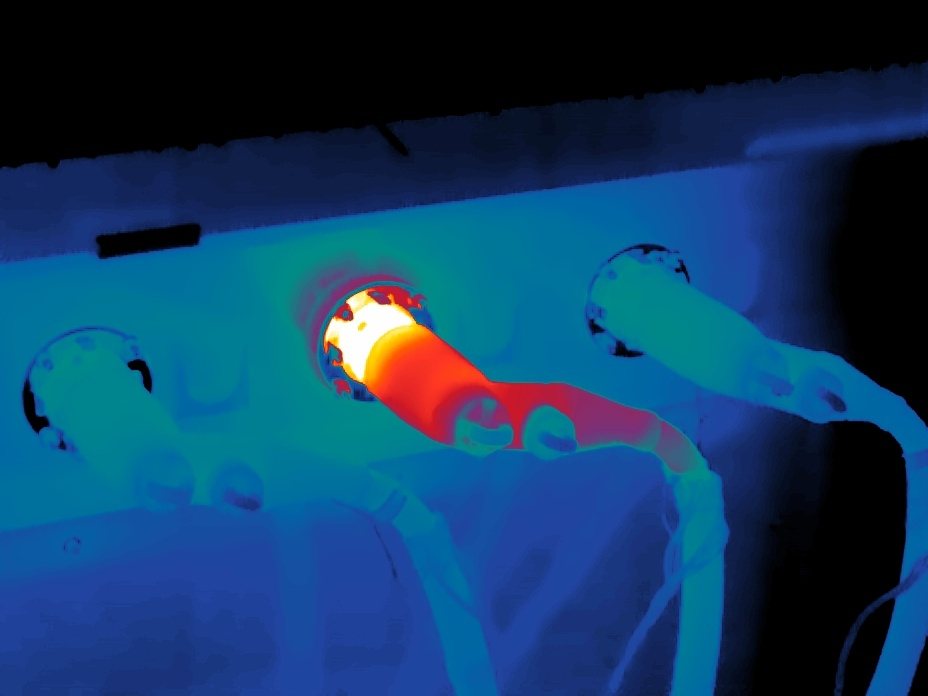
Electrical & Utility IR Inspections
Infrared survey of switchgear, panels, breakers, connections, and distribution equipment under load, to identify loose connections, overloaded circuits, and developing faults before they become failures.
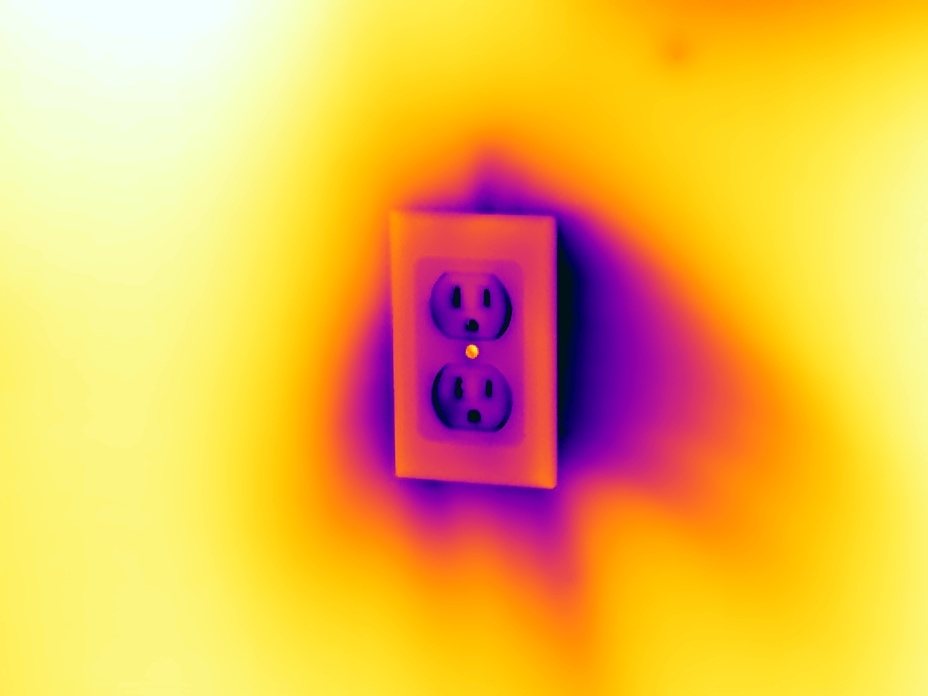
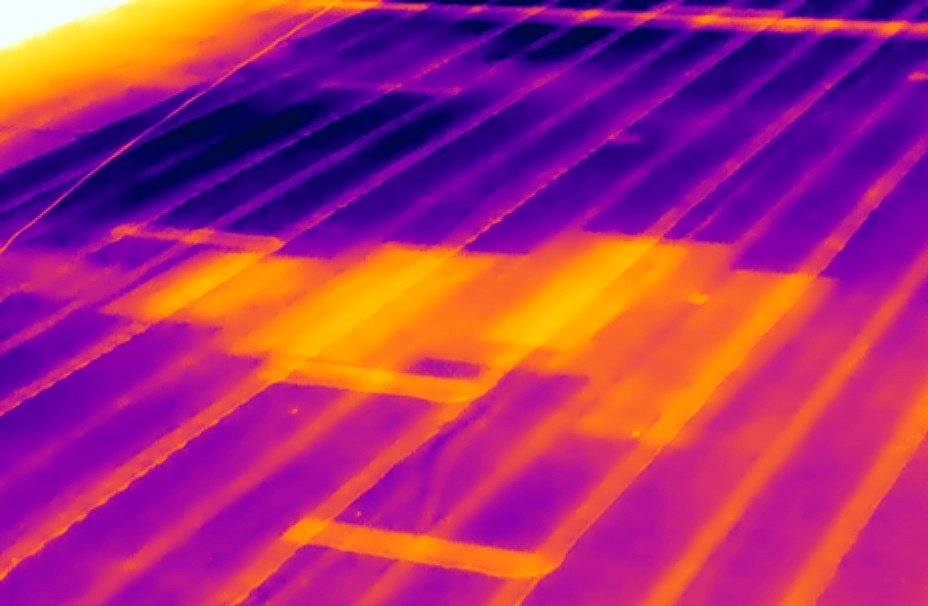
Building Envelope & Roof Moisture
Thermal survey of roofing systems and building envelopes to locate trapped moisture, insulation gaps, and air leakage, commonly used for insurance claims, pre-purchase due diligence, and warranty disputes.
Optical Gas Imaging & SF₆ Leak Detection
OGI survey of process equipment and switchgear for fugitive emissions and SF₆ leaks, supporting leak detection and repair (LDAR) programs and regulatory compliance documentation.
Aerial / sUAS Thermal Inspection
FAA Part 107 drone-based infrared inspection for rooftops, solar arrays, and transmission assets that are impractical or unsafe to inspect from the ground.
Mechanical & Predictive Maintenance
Condition monitoring of motors, bearings, couplings, and process equipment to flag friction, misalignment, and lubrication issues ahead of unplanned downtime.
Equine & Veterinary Thermography
Thermal screening to support lameness evaluation and injury assessment, used alongside veterinary diagnostics rather than in place of them.
Reported to the codes that matter.
Electrical Equipment Maintenance
Standard for infrared inspection intervals, methods, and documentation expectations.
IR Examination of Equipment
Standard Guide for Examining Electrical and Mechanical Equipment with Infrared Thermography.
Minimum Resolvable Temperature
Standard Practice for Minimum Resolvable Temperature Difference for Thermal Imaging Systems.
Level I / II / III Certification
Certification standards and the body of practice for Levels I, II, and III thermographers.
Four steps, start to report.
Inquiry
Describe the facility, equipment, and timeline, along with any deadlines the inspection needs to work around.
Scope & Availability
Fit and calendar availability are confirmed against current consulting and expert witness commitments before anything is booked.
Field Inspection
On-site infrared survey performed personally, using calibrated instrumentation and a documented inspection procedure.
Report & Findings
Findings delivered against NFPA 70B and ASTM E1934 documentation practice, with corrective-action priorities where applicable.
Let's check the schedule.
Inspection requests are handled directly, and on a limited schedule. If the timing and scope line up, you'll get a straightforward quote. If they don't, you'll get an honest referral.